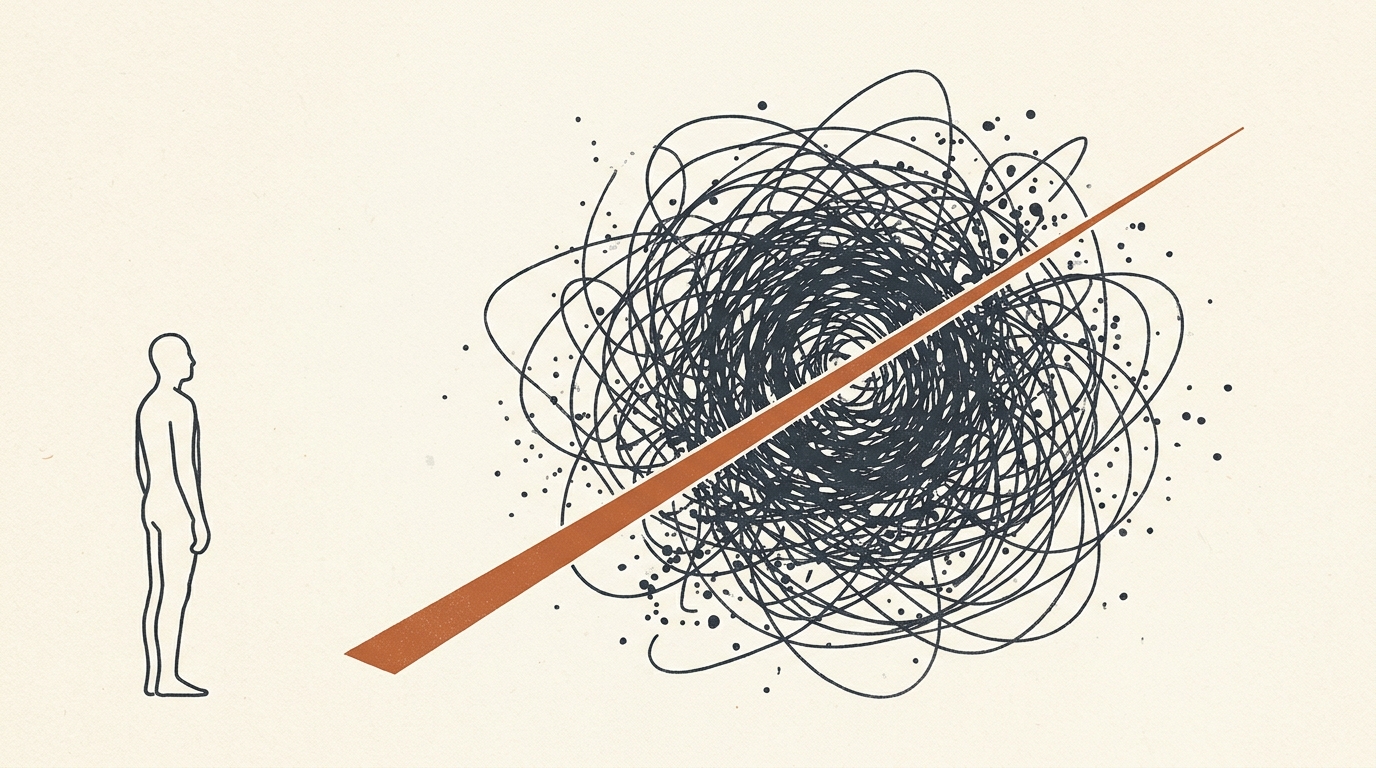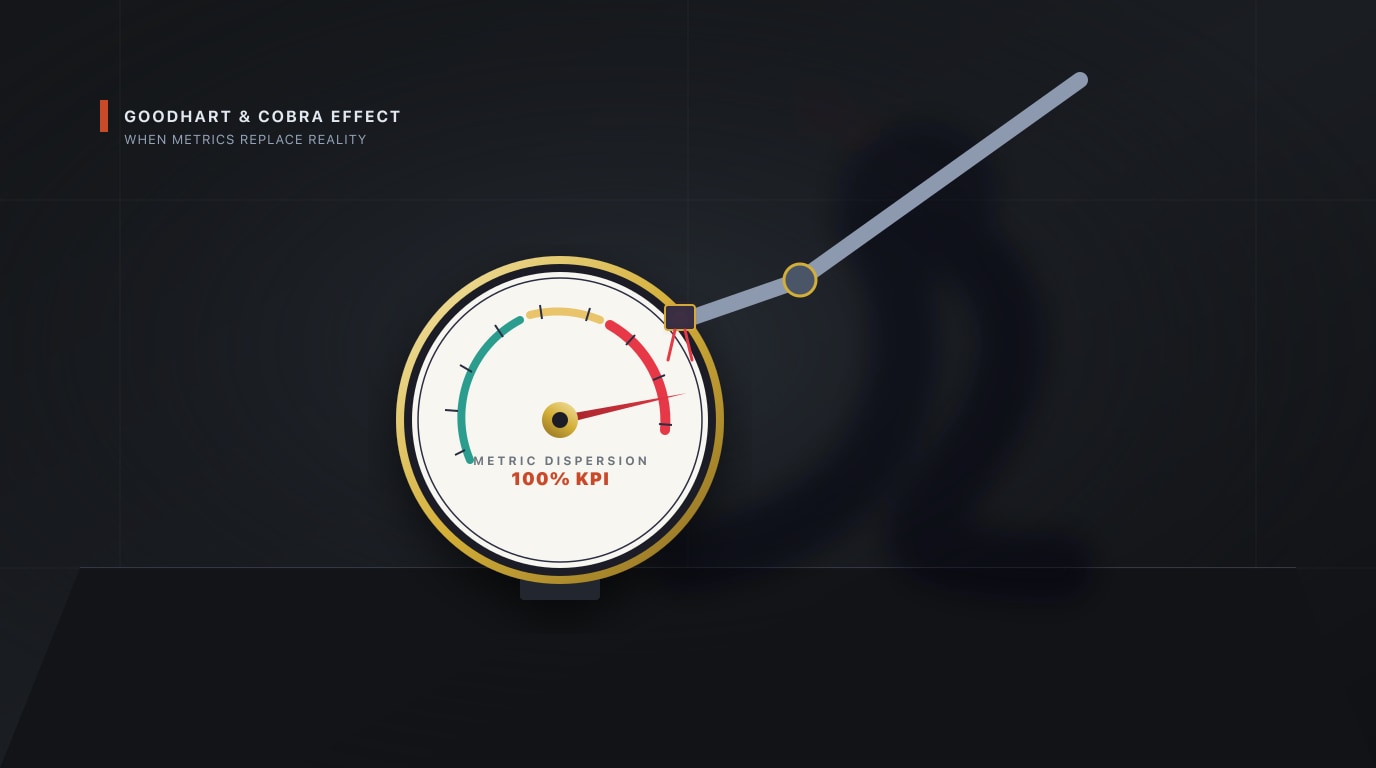
Why does linking bonuses to metrics erode craft and collaboration? Exploring Goodhart's Law, the Holmstrom-Milgrom multitask model, and Edward Lazear's Safelite evidence to map when performance pay succeeds versus when it destroys institutions.

Essays that start from a single question, examine primary sources, and compare competing explanations and boundary conditions.

Why does linking bonuses to metrics erode craft and collaboration? Exploring Goodhart's Law, the Holmstrom-Milgrom multitask model, and Edward Lazear's Safelite evidence to map when performance pay succeeds versus when it destroys institutions.

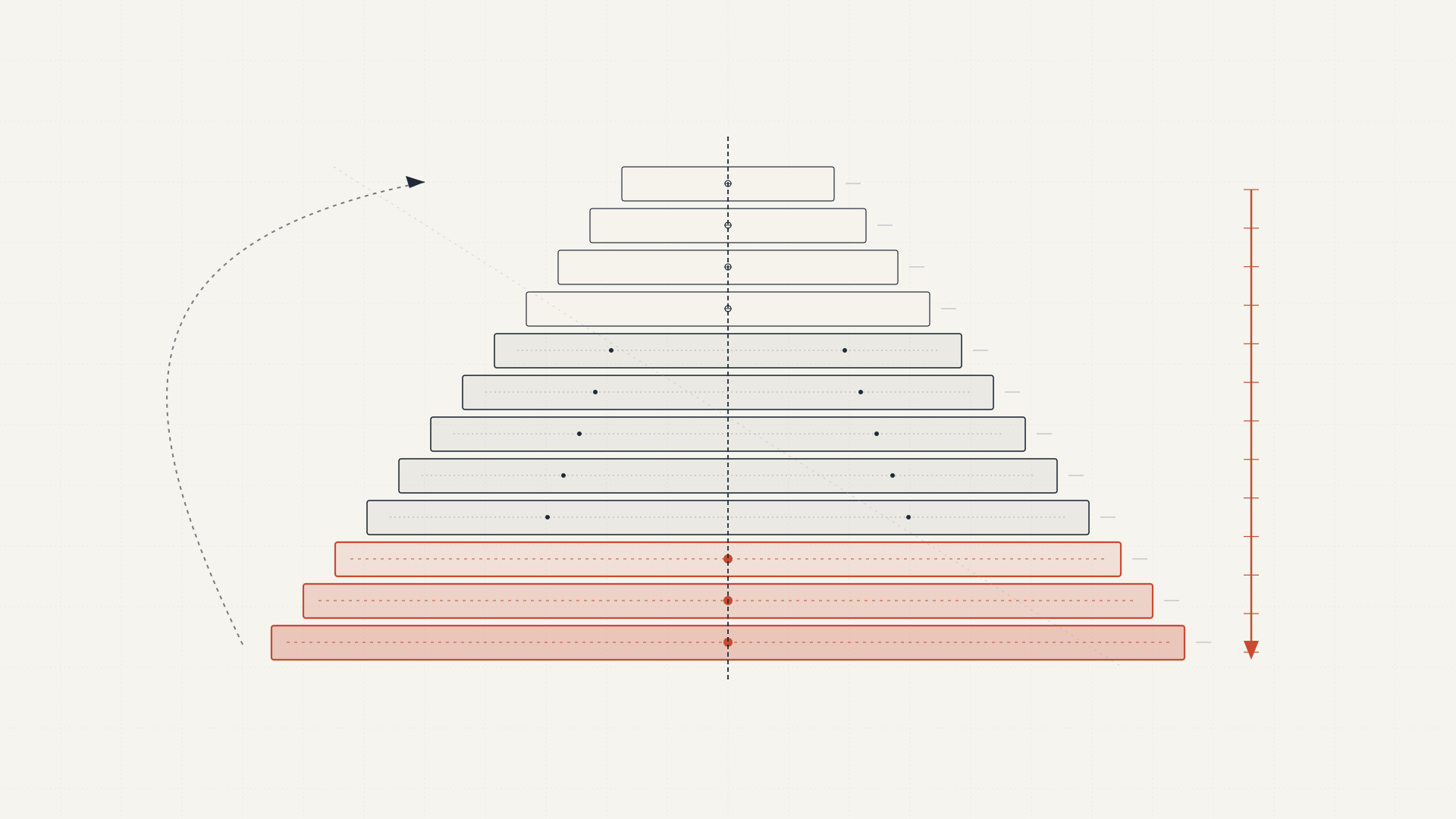
Why do visionary executive directives morph into unintended behaviors? Exploring Graham Allison's three decision-making models: Rational Actor, Organizational Process (SOP), and Bureaucratic Politics.

Why do organizations exhaust themselves tweaking parameters when problems recur? Exploring Donella Meadows’ systems thinking and 12 leverage points—from feedback loops and system rules to goals and paradigms.

Measuring the uncertain future through Brier scores and calibration, shifting from hedgehog dogma to fox-like micro-updating, base rates, and asymmetric risk management.

Why software engineering grows more rigorous as AI and natural language replace coding. Examining the ladder of abstraction, the evaporation of accidental complexity, and the engineer as system risk underwriter.

Why racing for operational effectiveness inevitably leads to zero-sum price wars. Exploring the fundamental difference between imitation and Michael Porter’s strategic positioning.

Why complex calculations fall victim to overfitting in noisy environments. Examining Gerd Gigerenzer’s fast-and-frugal heuristics and how simple rules yield superior real-world judgments.